All-School Read
Middlesex School All-School Read
Summer 2017
The Influencing Machine
Brooke Gladstone
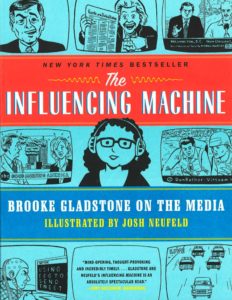
Each summer Middlesex School students and faculty, both new and returning, participate together in the All-School Read (ASR). The ASR is an opportunity to think about topics of personal and political significance. Successful texts engage our imagination, our conscience, and our intellect. They invite us to look critically and creatively at ourselves, our communities, and our world.
This summer’s All-School Read, The Influencing Machine by Brooke Gladstone, is a graphic novel recounting the history and role of the media from Ancient Egypt through modern day America. Thoughtful and thought-provoking, Gladstone, of National Public Radio, leads the lay person through the complex and compelling layers of the media: its relationship to politicians, its relationship to the public, its responsibilities, its ethics, its power, and its limits of power. Timely and topical, The Influencing Machine provides and provokes informative and illuminating considerations.
Reading Guide for ASR 2017: The Influencing Machine by Brooke Gladstone
- How would you define “the media”?
- How does the genre of the graphic novel affect your reading experience?
- What are some of the challenges facing the media today (pgs 43-70)?
- What is the relationship between war and the media (pgs 71-95)?
- What are the pros, cons, and possibilities of objectivity in the media (pgs 96-110)?
- What is Gladstone’s concluding message about the role/influence of the media (pgs 129-156)?
- The last sentence of this graphic novel is “We get the media we deserve” (pg 156). What does Gladstone mean by this statement and why do you agree/disagree with it?
- What further questions about the role of the media in a 21st century democracy do you have?